
Maintaining a healthy skin barrier is essential for overall skin health and resilience. Protecting the skin barrier year-round involves consistent hydration, gentle cleansing, and shielding the skin from environmental stressors like UV rays and pollution. These careful steps help prevent irritation, dryness, and premature ageing.
The skin barrier acts as the body’s first line of defence, so neglecting it can lead to sensitivity and damage. Understanding the importance of simple, effective routines tailored for each season helps keep the skin balanced and strong, no matter the weather or conditions.
Understanding the Skin Barrier and Its Importance
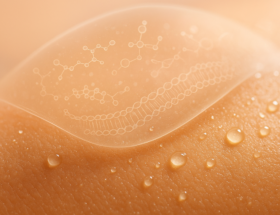
The skin barrier is vital for maintaining healthy skin. It prevents water loss and protects against irritants, allergens, and harmful microbes. Strong skin depends on the proper function of multiple components working together.
Structure and Function of the Stratum Corneum
The stratum corneum is the outermost layer of the skin barrier. It consists of dead skin cells called corneocytes embedded in a lipid matrix. These lipids, including ceramides, cholesterol, and fatty acids, form a waterproof layer that stops excessive moisture loss.
Its main function is to shield underlying skin layers from environmental damage and dehydration. When intact, it maintains skin hydration and resilience. Any disruption to this structure compromises barrier function, leading to dryness and sensitivity.
Role of the Microbiome in Barrier Protection
The skin microbiome includes bacteria, fungi, and viruses living on the surface. It plays a crucial role in supporting skin barrier function by preventing pathogen colonisation. Beneficial microbes compete with harmful organisms and produce substances that strengthen skin defences.
A balanced microbiome also helps regulate skin pH, which is essential for enzyme activity involved in maintaining the stratum corneum. Disturbances in microbial balance can weaken the barrier and increase inflammation or infection risk.
Signs of a Damaged Skin Barrier
A damaged skin barrier shows clear symptoms such as excessive dryness, flakiness, and redness. The skin may sting, itch, or feel tight, indicating irritation or increased sensitivity. Breaks in the barrier allow irritants and allergens to penetrate more easily.
Chronic barrier damage often results in rough texture and accelerated ageing. These signs signal a need for barrier repair through moisturisation, avoiding harsh products, and protecting the skin from environmental stressors.
Year-Round Practices for Skin Barrier Care
Consistent care prevents damage and supports regeneration. Using the right products and habits helps maintain hydration, reduce irritation, and strengthen the skin’s natural defence.
Core Steps of a Barrier-Protective Skincare Routine
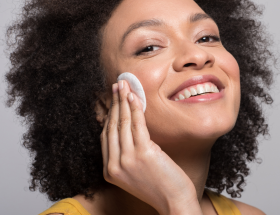
A gentle cleanser removes dirt without stripping oils. Cleansing twice daily is ideal, but frequency can vary based on skin type.
Moisturising is essential. Products rich in ceramides and occlusives help lock in hydration. Applying moisturiser immediately after cleansing seals in moisture.
Daily sunscreen use protects against UV damage, a major disruptor of the skin barrier. Broad-spectrum SPF 30 or higher is recommended.
Avoid harsh soaps, hot water, and tight clothing that irritate or damage skin. Consistency matters more than complexity.
Essential Ingredients for Barrier Support
Ceramides restore the lipid layer that keeps moisture in. Products containing ceramides support barrier repair.
Niacinamide reduces inflammation and boosts ceramide production. It also balances oil and strengthens barrier function.
Peptides stimulate collagen production, enhancing overall skin resilience.
Antioxidants like vitamin C or E protect against environmental stressors. They help prevent oxidative damage to skin cells.
Combining these ingredients supports skin health and resilience.
Managing Moisture Loss Every Season
Moisture loss varies with weather changes. In winter, dry air and indoor heating dehydrate skin faster.
Using heavier moisturisers in colder months prevents water evaporation. Humectants like hyaluronic acid attract moisture from the air.
In summer, lighter formulations prevent clogging pores while maintaining hydration under sun exposure.
Regular use of a humidifier indoors can help reduce moisture loss all year.
Drinking water and avoiding long, hot showers also protect the skin barrier.
Avoiding Over-Exfoliation and Irritation
Exfoliation renews skin, but overuse weakens the barrier. Using chemical exfoliants like PHA is milder than AHAs or BHAs.
Limit exfoliation to 1-3 times per week based on skin sensitivity. Avoid physical scrubs that cause microtears.
If redness, sensitivity, or dryness occurs, reduce or pause exfoliation.
Always follow exfoliation with barrier-supporting moisturisers to soothe and repair skin. Over-exfoliation can lead to increased moisture loss and inflammation.
Seasonal Strategies for Protecting the Skin Barrier
Maintaining a healthy skin barrier requires targeted changes throughout the year. Different weather patterns and environmental factors affect the skin uniquely, demanding specific care to prevent dryness, irritation, and damage.
Adapting Your Routine for Spring and Summer
During spring and summer, increased sun exposure and humidity can impact the skin barrier. Lighter moisturisers with hydrating ingredients like hyaluronic acid support moisture without clogging pores.
People should prioritise non-comedogenic, oil-free sunscreens to protect against UV damage without causing breakouts. Incorporating antioxidants such as vitamin C serums helps neutralise free radicals formed by sun exposure.
Regular cleansing is important to remove sweat and environmental pollutants, but it should be gentle to avoid stripping natural oils. Using a mild, hydrating cleanser preserves the skin’s protective layer while keeping it clean and balanced.
Adjustments for Autumn and Winter Conditions
Colder months bring dry air and indoor heating, both of which cause significant water loss from the skin. Switching to richer, emollient moisturisers with ceramides and fatty acids is essential for restoring the skin barrier.
Reducing exfoliation frequency during autumn and winter prevents further barrier disruption. Hydrating facial oils or occlusive balms can be layered over moisturisers for added protection against dehydration.
Humidifiers can benefit those with dry skin by maintaining indoor moisture levels. Avoid hot showers and harsh soaps as they contribute to skin dryness and irritation during this season.
The Importance of SPF and Antioxidant Defence
Daily application of broad-spectrum SPF 30 or higher protects the skin barrier from UVA and UVB rays year-round, preventing premature ageing and barrier breakdown. Even on cloudy days, UV exposure can weaken the skin and cause dryness.
Antioxidants such as vitamins C and E play a crucial role in defending the skin against environmental damage. They support barrier repair by reducing oxidative stress and inflammation.
A combination of antioxidant-rich serums and consistent sun protection creates a strong line of defence, enhancing skin resilience and maintaining its natural moisture balance.
Troubleshooting and Repairing a Damaged Skin Barrier
Damage to the skin barrier often results in redness, dryness, and increased sensitivity. Repair requires identifying specific signs, selecting appropriate skincare, and incorporating ingredients that support barrier recovery and prevent moisture loss.
Recognising and Addressing Barrier Disruption
Signs of a damaged skin barrier include persistent dryness, flaking, tightness, and irritation after product application. It may also cause increased sensitivity to environmental factors like wind or pollution.
She should avoid harsh cleansers with sulfates, physical exfoliants, and alcohol-based products that strip natural oils. Instead, gentle cleansing and avoiding over-washing help prevent further disruption.
If symptoms persist, it can be due to improper skincare or underlying conditions. Consulting a dermatologist is advisable for persistent or severe barrier issues.
Choosing the Right Products for Sensitive Skin
Products for sensitive or compromised skin should focus on minimal ingredients and high hydration. Fragrance-free, alcohol-free, and non-comedogenic options reduce the risk of irritation.
She should prioritise moisturisers that support the skin’s lipid barrier, such as those containing ceramides, which replenish essential fats. Products with niacinamide can reduce redness and strengthen the barrier function.
Avoiding products with harsh exfoliants or strong acids is important during repair. A routine limited to a gentle cleanser and a barrier repair moisturiser is recommended until the skin improves.
Restorative Ingredients and Practices
Key ingredients for repairing the skin barrier include ceramides, peptides, and niacinamide. Ceramides restore the lipid matrix to reduce moisture loss, while peptides encourage skin regeneration.
Niacinamide helps regulate inflammation, improving barrier function. Incorporating these ingredients daily supports faster healing.
Practices like avoiding hot water, limiting exfoliation to once or twice a week, and applying moisturiser on slightly damp skin enhance barrier recovery. Consistency and patience are crucial for visible improvement.