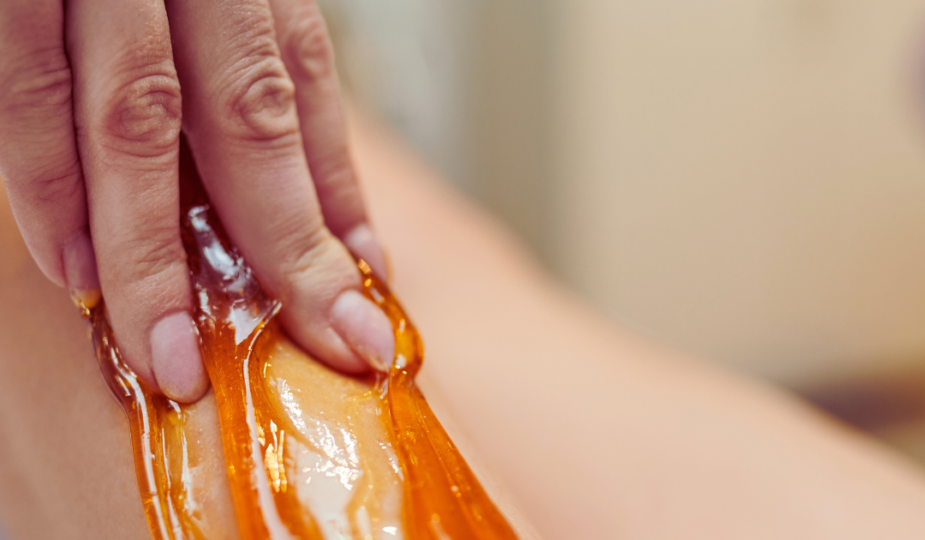
Waxing is a popular hair removal method that offers long-lasting results compared to shaving. Many individuals encounter various types of waxing, each tailored to different hair types and body areas. Understanding the differences between hard wax, soft wax, and sugar waxing can help one choose the best option for their needs.
Hard wax is ideal for sensitive areas such as the bikini line as it adheres to the hair rather than the skin, minimising discomfort. Soft wax, often used on larger areas like the legs and arms, requires a cloth or paper strip for removal and is efficient for fine hair. Sugar waxing, a natural alternative, uses a water-soluble mixture that can be rinsed off easily and is suitable for those looking for a gentler approach.
Each type of waxing has its advantages, making it essential for individuals to understand their options before deciding on a waxing method. This guide will explore these different types of waxing, helping readers select the right approach to achieve smooth, hair-free skin.
Understanding Waxing
Waxing is a popular hair removal method that offers various options tailored to individual preferences and skin sensitivities. It involves different types of wax and techniques to achieve effective results, whether performed at a salon or at home.
Different Types of Wax
There are several types of wax used for hair removal, each with unique properties.
- Hard Wax: This wax is thicker and is often applied warm before it cools and hardens. It is suitable for sensitive areas like the bikini line.
- Soft Wax: Used with cloth strips, this wax adheres to the skin and hair alike. It is commonly used for larger areas such as legs and arms.
- Sugar Wax: Made from natural ingredients like sugar and lemon juice, it is ideal for those seeking a more gentle option that can also be used on sensitive skin.
- Chocolate Wax: Infused with cocoa, this wax is not only soothing but also has a pleasant scent, making it a favourite for many.
- Fruit Wax: This type is often formulated with natural fruit extracts for added skin benefits.
In addition, cold wax comes in pre-made strips for easy use, ideal for quick at-home waxing sessions.
Waxing Procedure Basics
A typical waxing procedure begins with ensuring the skin is clean and dry. A waxing spatula is used to apply a layer of chosen wax in the direction of hair growth. For hard wax, it is allowed to cool before being removed sharply in the opposite direction.
Soft wax requires a cloth strip to be pressed onto the wax before pulling away. The hair removal process can be somewhat painful, depending on individual pain tolerance and the area being treated. Pre- and post-waxing care, such as exfoliation and moisturising, can also enhance results.
Home Waxing Considerations
Home waxing can be a cost-effective solution, but it requires careful preparation and the right materials. One must choose suitable wax types, often preferring warm soft wax or sugar wax for easier application.
DIY waxing kits are available, including warmers and pre-made wax strips. Before beginning, individuals should ensure their skin is clean and dry to prevent irritation and ensure effective hair removal.
Reading through instructions carefully is essential for achieving the best results and minimising discomfort. Finally, understanding one’s own pain tolerance is crucial for determining the best approach to home waxing, and keeping expectations realistic.
Addressing Skin Concerns
Ensuring smooth skin while managing various skin concerns is essential during the waxing process. Below are considerations specifically aimed at sensitive skin and the prevention and treatment of ingrown hairs.
Caring for Sensitive Skin
Individuals with sensitive skin need to take extra precautions before and after waxing. Choosing the right wax is critical; hard wax tends to be gentler on sensitive areas compared to soft wax.
Pre-wax care is important. She should consider applying a calming lotion or gel that includes antioxidants and soothing ingredients like aloe vera. This prevents skin irritation and prepares the skin for hair removal.
Post-wax, it’s essential to keep the area moisturised. Products free from harsh chemicals are advisable. It’s beneficial to avoid exfoliating for a few days after waxing to allow the skin to recover without irritation.
Preventing and Treating Ingrown Hairs
Ingrown hairs can be a common issue after waxing, particularly in areas prone to friction. To minimise the risk, regular exfoliation is necessary. It helps remove dead skin cells and promotes skin renewal.
A few days prior to waxing, mild scrubs or chemical exfoliants can help prevent ingrown hairs. After waxing, applying a soothing lotion can help calm inflammation.
In case of ingrown hairs, she may treat them with warm compresses to ease discomfort. If persistent, topical treatments such as salicylic acid can aid in reducing redness and promoting healing.
Regular care and attention to these factors can contribute to a smoother, healthier skin experience.
Waxing Specific Body Areas
Different areas of the body require specific techniques and types of wax to achieve optimal results. This section focuses on facial and bikini waxing, as well as waxing for legs and arms.
Facial and Bikini Waxing
Facial waxing is a precise procedure often used to remove unwanted hair from areas such as the upper lip, eyebrows, and chin. Strip-free wax or cold soft wax is commonly preferred due to the sensitive nature of facial skin.
For bikini waxing, options include the standard bikini line, French wax, and Brazilian wax. The bikini line involves removing hair along the edges, while a French wax offers more coverage. Brazilian waxing removes hair from the entire bikini area, including sensitive areas.
Pre-made wax strips can also be effective for quick touch-ups at home. Those with sensitive skin may benefit from sugaring, a gentler alternative that uses a natural paste.
Legs and Arms Waxing
Legs and arms are often waxed for a smooth finish, making it a popular choice for both men and women. Cold soft wax works well for larger areas due to its ability to cover large sections quickly.
For arms, gentle techniques are essential to prevent irritation, particularly for those who are new to waxing. Strip-free wax can also be used for added comfort.
For the legs, the choice between hard wax and soft wax largely depends on personal preference. Hard wax is advisable for those with coarser hair, while soft wax may suffice for finer hair. Proper techniques ensure minimal hair regrowth and longer-lasting smoothness.