
For those with sensitive skin, finding the right skincare products can often feel like a daunting task. The best products for sensitive skin focus on soothing ingredients, avoiding irritants, and providing effective results without causing reactions. This blog post highlights top skincare products that cater specifically to those with delicate skin, helping individuals create a tailored skincare routine that works for them.
Many people struggle with redness, dryness, or irritation, making careful selection of skincare essential. Knowing which sensitive skin products are most effective can help in achieving a healthy, radiant complexion without compromising comfort. The right choice can lead to visible improvements while ensuring that the skin remains calm and well-nourished.
This guide will examine a range of recommended skincare products designed to support sensitive skin types. Readers can discover which items are worth trying, along with tips on how to incorporate them into daily routines for optimal effectiveness.
Identifying Sensitive Skin and Common Concerns
Recognising sensitive skin is crucial for effective skincare. Common characteristics include heightened reactions to products and environmental factors, along with specific conditions such as eczema and rosacea. Understanding these aspects enables better management of skin issues.
Characteristics of Sensitive Skin
Sensitive skin often displays a range of symptoms, including redness, irritation, and inflammation. Individuals may notice skin reacting negatively to certain skincare products, temperature changes, or environmental stressors.
It can feel itchy, burning, or tight after exposure to irritants. This skin type may also be prone to conditions like eczema and rosacea. Identifying triggers and monitoring skin reactions is essential for effective management and product selection.
Managing Redness and Irritation
To address redness and irritation, individuals should opt for gentle, fragrance-free products designed for sensitive skin. Ingredients such as aloe vera, chamomile, and green tea are well-known for their soothing properties.
A patch test before full application can help prevent adverse reactions. Additionally, avoiding harsh exfoliants and aggressive treatments contributes to maintaining skin tranquillity. Daily moisturisation with calming formulations can significantly ease discomfort and reduce redness.
Understanding Eczema and Rosacea
Eczema and rosacea are two prevalent concerns for those with sensitive skin. Eczema typically manifests as dry, itchy patches and may become inflamed or infected if scratched. This chronic condition requires consistent hydration and targeted treatments to manage flare-ups effectively.
Rosacea, characterised by persistent redness, can cause visible blood vessels and sometimes pustules. Triggers may include spicy foods, alcohol, and temperature extremes. The management of rosacea often involves dermatologist-recommended treatments and daily sun protection to minimise flare-ups and protect sensitive skin.
Essential Skincare Products for Sensitive Skin
Sensitive skin requires products that are gentle yet effective. Key ingredients like hyaluronic acid, niacinamide, and ceramides are beneficial, as they provide hydration and strengthen the skin barrier. Below are essential categories of skincare products specifically formulated for sensitive skin.
Cleansers and Face Washes
Choosing the right cleanser is crucial for sensitive skin. Micellar water can be an excellent option as it cleans without stripping the skin’s natural moisture. Look for hypoallergenic formulas that are oil-free and non-comedogenic.
Cleansers with glycerin are beneficial for maintaining hydration. Brands like CeraVe and Cetaphil offer gentle face washes that include ceramides to help repair the skin barrier. It’s advisable to avoid products with strong fragrances or harsh chemicals that can irritate sensitive skin.
Moisturisers and Hydrating Serums
Moisturisers should focus on hydration without irritating. Lightweight creams containing squalane offer excellent moisturising properties while being gentle. Niacinamide-infused products can also help reduce redness and improve overall skin tone.
Hydrating serums with hyaluronic acid attract moisture and keep the skin plump. Products like Aveeno’s moisturising cream provide long-lasting hydration. For those with dry skin, a thicker emollient cream may be necessary to lock in moisture and protect the skin barrier.
Sunscreens for Sensitive Skin
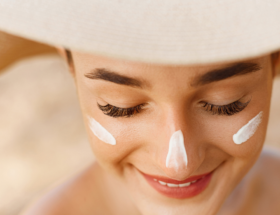
Sunscreen is a critical step in any skincare routine, especially for sensitive skin. Opt for physical sunscreens containing zinc oxide or titanium dioxide, as these are less likely to irritate. Look for options labelled as non-comedogenic and hypoallergenic. Products like CeraVe’s sunscreen combine moisturising agents and are suitable for everyday use. A lightweight formula can protect without feeling heavy on the skin. Always consider broad-spectrum protection to safeguard against both UVA and UVB rays.
Key Ingredients and Formulations
Sensitive skin requires careful attention to its ingredients and formulations. Understanding the right compounds can help in selecting products that soothe, repair, and protect without irritating.
Anti-Inflammatory and Soothing Compounds
Anti-inflammatory agents play a crucial role in skincare for sensitive skin. Ingredients like colloidal oatmeal are known for their calming properties. This compound can alleviate dryness and reduce itching, making it ideal for those with eczema or dermatitis.
Peptides are another beneficial addition. They support the skin’s barrier function and enhance moisture retention. Products incorporating these compounds often feature fragrance-free formulations to minimise potential irritation. Calming botanicals like chamomile and aloe vera are also effective. They provide soothing effects without harsh chemicals and can help reduce redness and inflammation.
Antioxidants and Skin-Repairing Ingredients
Antioxidants are vital for protecting sensitive skin from environmental stressors. Ingredients like vitamin C offer brightening benefits while also combating free radicals. This antioxidant-rich component supports an even skin tone and enhances the skin’s overall health.
Active ingredients, such as alpha hydroxy acids, should be used cautiously. While beneficial for exfoliation and texture improvement, they can irritate sensitive skin if misused. Formulations with hyaluronic acid help in retaining moisture and promoting skin repair. These ingredients work alongside other soothing compounds to create a balanced approach to skincare.
Natural and Gentle Alternatives
For those looking for gentle skincare, natural ingredients are an excellent choice. Products made with vegan and cruelty-free formulations often avoid harsh chemicals that can irritate sensitive skin. Common natural ingredients include shea butter and avocado oil, which nourish the skin without clogging pores. These options are ideal for moisturising while providing essential lipids to maintain a healthy barrier. When selecting products, readers should consider those that are explicitly labelled as fragrance-free. This characteristic indicates reduced risk of irritation, making it suitable for sensitive skin types.
Building an Effective Skincare Regime for Sensitive Skin
Establishing a skincare regimen for sensitive skin involves careful selection of products and practices. Key aspects include patch testing, the order of application, and adjustments based on seasonal changes. Each of these elements plays a vital role in maintaining skin health and comfort.
The Importance of Patch Testing
Patch testing is essential for anyone with sensitive skin. This method allows individuals to determine how their skin reacts to new products before full application. To perform a patch test, apply a small amount of the product on an inconspicuous area, such as the inner arm.
Wait 24 to 48 hours to see if any irritation develops. If redness, itching, or swelling occurs, it’s advisable to avoid using that product. Dermatologists often recommend this practice, especially for products containing retinol, exfoliants, or active ingredients. It helps safeguard skin barrier integrity and prevents adverse reactions.
Recommended Order of Application
The correct order of application can enhance the efficacy of skincare products. A typical routine might look like this:
- Cleanser: Use a gentle, hydrating body wash in the morning and evening to remove impurities without irritating the skin.
- Toner: Apply a soothing toner to prepare the skin for subsequent treatments.
- Serum: Incorporate a vitamin C serum for brightening and protecting against hyperpigmentation.
- Moisturiser: Choose an oil-free, hydrating moisturiser that supports skin barrier function.
- Face Oil: In the evening, a nourishing face oil can provide added hydration and repair.
It’s crucial to wait a minute or two between each step to allow proper absorption. Products like Skinceuticals C E Ferulic can be integrated, offering antioxidant benefits while reducing fine lines.
Adjusting to Seasonal Changes
Skin sensitivity can fluctuate with the changing seasons. During winter, the skin often becomes dry and may require richer moisturising products. Look for creams containing ceramides or hyaluronic acid to maintain hydration levels.
In warmer months, lightweight formulas work better. Switching to a gel-based product can help control breakouts induced by sweat. Exfoliation may also need adjustment; gentle exfoliants can be used more frequently in the summer to promote skin renewal without irritation. By monitoring how the skin responds seasonally, individuals can effectively maintain balance and comfort throughout the year.