
Achieving a bronzed summer look without sun exposure is entirely possible and safer for the skin. Using self-tanning products and bronzing powders can create a natural, glowing complexion without risking harmful UV damage. These options offer an effective way to maintain a sun-kissed appearance year-round.
Many prefer this approach to avoid sunburn, premature ageing, and other risks linked to sunbathing. Additionally, makeup techniques and gradual tanning lotions can enhance the effect, making the bronzed look more believable and tailored to individual skin tones.
By understanding the right products and application methods, anyone can enjoy a radiant summer glow indoors or during cooler months. This guide will outline practical steps to achieve this look confidently and safely.
Why Achieving a Bronzed Summer Look Without the Sun Matters
Many people want a bronzed, sun-kissed look without exposing their skin to risks. Understanding the dangers of sun exposure and exploring sunless methods helps protect skin health while maintaining a desired appearance.
Risks of Sun Exposure
Exposure to the sun’s ultraviolet (UV) rays can cause sunburn, which damages skin cells and leads to pain and peeling. Repeated sunburns increase the risk of skin cancer, including melanoma, the deadliest form.
UV rays also accelerate skin ageing, causing fine lines, wrinkles, and dark spots. These effects result from damage to collagen and elastin fibres, which maintain skin elasticity.
Even on cloudy days, UV rays can penetrate and harm the skin. Prolonged exposure without protection raises the risk of permanent skin damage beyond just a tan or sunburn.
Protecting Against Skin Damage
Using broad-spectrum sunscreen with at least SPF 30 reduces UV damage significantly. Sunscreens block or absorb harmful UV rays, preventing sunburn and slowing skin ageing.
Wearing protective clothing, sunglasses, and seeking shade during peak sunlight hours also minimises exposure. Consistently following these practices helps maintain healthy, resilient skin.
Regular skin checks for unusual moles or spots are crucial. Early detection of skin changes can lead to timely treatment and better outcomes.
Sunless Alternatives for a Sun-Kissed Look
Sunless tanning products, such as self-tanning lotions and sprays, provide a bronzed look without UV exposure. They contain dihydroxyacetone (DHA), which reacts with skin proteins to create a temporary tan.
Bronzing powders and gradual tanners offer alternatives that allow controlled, buildable colour. These methods avoid the risks of sunburn and long-term sun damage.
Spray tans and tinted moisturisers give immediate results and can be customised for different skin tones, providing a natural and safe sun-kissed appearance without the sun’s dangers.
Essential Methods for a Bronzed Glow Without Sun Exposure
Achieving a natural, bronzed look without sun exposure relies on using safe, effective products and techniques. These methods include self-tanners that develop colour gradually, bronzers to add warmth instantly, careful shade selection, and professional sunless tanning services for a more customised result.
Self-Tanning Products and How They Work
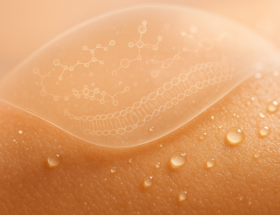
Self-tanning products contain dihydroxyacetone (DHA), a colourless sugar that reacts with amino acids in the skin’s outer layer. This reaction creates a temporary browning effect, resembling a sun-kissed glow.
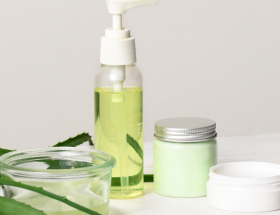
Most self-tanners come in lotions, mousses, or sprays and require even application to avoid streaks. Exfoliating the skin beforehand ensures smoother results. The tan usually develops over 4 to 8 hours and fades gradually as skin cells shed.
Hydration is important after application to maintain the glow and prevent patchiness. Self-tanners are safe alternatives to UV tanning but do not offer sun protection.
The Role of Bronzer in Your Makeup Routine
Bronzer provides immediate colour and warmth to the face, simulating a fresh bronzed look. It is typically available in powder, cream, or liquid forms and can be applied to areas the sun naturally hits: cheekbones, nose, forehead, and jawline.
The key is to use bronzer sparingly and build colour gradually to avoid an unnatural effect. It should blend seamlessly with the foundation and be set with translucent powder for longer wear.
Bronzer is a versatile product, suitable for both everyday use and special occasions, and can be combined with self-tanning products for a deeper sunless tan effect.
Choosing the Right Shade for Your Skin Tone
Selecting the correct bronzer shade is crucial to achieving a natural, sun-kissed glow without appearing orange or muddy. For fair skin tones, warm light bronzers with subtle peach or pink undertones work best.
Medium skin tones benefit from bronzers with golden or caramel hues. Darker skin tones suit rich copper or bronze shades to enhance warmth without looking ashy.
Testing the bronzer on the jawline or wrist helps ensure the colour matches well. Avoid overly matte or excessively shimmery products; a slight sheen mimics natural skin warmth most effectively.
Professional Sunless Tanning Options
Professional sunless tanning involves customised treatments like spray tans or airbrush tanning performed by trained technicians. These services use specialised DHA formulas for even and natural-looking coverage.
Appointments often include skin preparation advice and tailored colour selection. Results typically last 7 to 10 days and can be adjusted based on skin tone and personal preference.
Professional tanning reduces the risk of uneven colour and offers quick, all-over bronzed results without UV damage. It is ideal for events or those seeking a consistent bronzed look with minimal effort.
Step-by-Step Application Techniques for a Natural Finish
Achieving a natural bronzed look requires attention to detail from start to finish. Proper skin preparation, blending methods, and strategic makeup placement work together to create a subtle sun-kissed glow.
Skin Preparation and Exfoliation
The skin must be clean and smooth before applying bronzer. Exfoliation removes dead skin cells, ensuring even product application and preventing patchiness. A gentle scrub or chemical exfoliant with ingredients like glycolic acid works well.
Moisturising is crucial after exfoliation. A lightweight, non-greasy moisturiser hydrates without making the skin oily. This helps the bronzer blend smoothly and last longer.
Priming the skin with a silicone-based primer smooths texture and controls shine. It also creates a barrier that prevents bronzer from settling into fine lines or pores.
Tips for Flawless Blending
Use a fluffy, angled brush to apply bronzer with light, sweeping motions. Start with a small amount of product to avoid over-application. Build the colour gradually for control and natural depth.
Apply bronzer where the sun naturally hits the face: forehead edges, cheekbones, temples, and jawline. Avoid dragging it down the neck, which can cause an unnatural line.
Blending is key. Use either a clean brush or a beauty sponge to softly diffuse the bronzer’s edges. This prevents harsh lines and mimics a natural sun-kissed gradient.
Enhancing Facial Features With Makeup
Bronzer can contour by adding warm shadows, but it must be applied with purpose. Focus on the hollows of the cheeks and below the jawline to subtly shape the face.
Highlighting complements bronzing by bringing light to high points like the tops of cheekbones and the bridge of the nose. A cream or powder highlighter that matches the skin undertone enhances the sun-kissed effect.
For added dimension, use a warm-toned blush on the apples of the cheeks. This avoids a flat finish and mimics a natural flushed look, reinforcing the overall glow without overpowering the bronzer.
Tips for Maintaining and Enhancing Your Summer Glow
Maintaining a bronzed look requires careful skincare and lifestyle choices. Proper hydration, gentle exfoliation, and protecting the skin from damage help extend the life of the sunless tan. Balancing safe sun exposure ensures natural vitamin D production without harming the skin or fading the tan prematurely.
Skincare After Sunless Tanning
After applying a sunless tanner, it is crucial to keep the skin moisturised to prevent dryness and flaking. Using a fragrance-free, hydrating lotion daily supports the skin barrier and enhances the tan’s appearance.
Avoid harsh exfoliants or scrubbing for at least 48 hours post-application. Gentle cleansing with mild, non-abrasive products prevents premature tan breakdown.
Incorporating antioxidants like vitamin C or E serums can protect skin from environmental damage and promote a healthy glow. Drinking plenty of water helps maintain skin elasticity and overall complexion during the bronzing process.
Prolonging Your Bronzed Effect
To extend the life of a sunless tan, exfoliate lightly with a chemical exfoliant such as glycolic or lactic acid once a week. This removes dead skin evenly, preventing patchiness without stripping the tan immediately.
Avoid long, hot baths or showers, which accelerate tan fade. Lukewarm water and brief shower times help maintain the bronzed colour.
Reapply moisturiser with hydrating ingredients like shea butter or hyaluronic acid to lock in colour. Wearing loose, breathable fabrics reduces friction that can wear away the tan.
Safe Sun Practices and Vitamin D Considerations
Achieving a sun-kissed look without risks requires minimal sun exposure for vitamin D synthesis without skin damage. Experts recommend short, unprotected sun exposure—around 10-15 minutes a few times per week on arms and legs, depending on skin tone.
Use a broad-spectrum sunscreen with an SPF of at least 30 on the face and other sensitive areas to avoid burns. If longer sun exposure is needed, apply sunscreen evenly and reapply every two hours.
Supplementing with vitamin D is advisable during low sun months or for those avoiding the sun to maintain healthy levels safely. This approach supports skin health without sacrificing the bronzed effect.