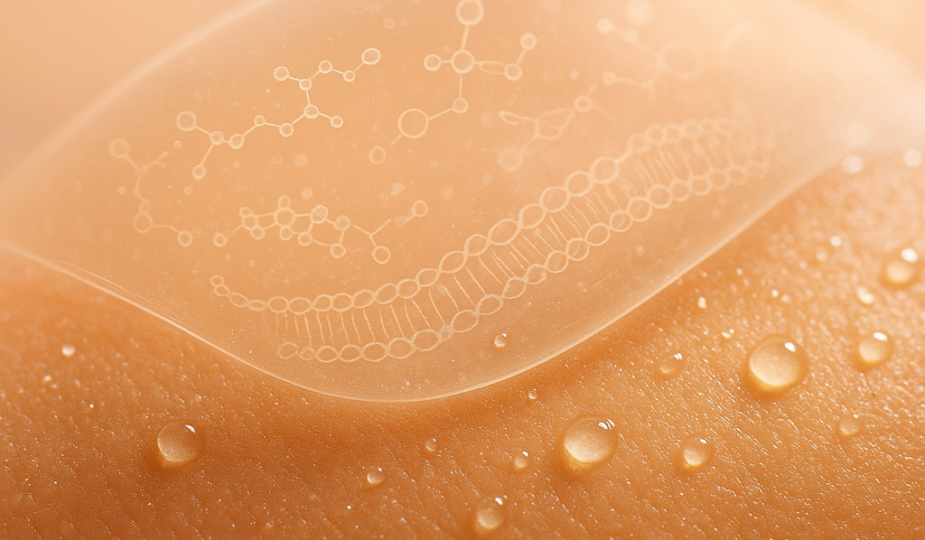
Your skin is doing something remarkable right now — quietly working as a sophisticated barrier between your body and the outside world. It’s blocking pathogens, regulating moisture, defending against UV radiation, and processing thousands of environmental signals, all without any conscious effort on your part. Yet despite this extraordinary complexity, the skin barrier is surprisingly easy to disrupt — and once compromised, the consequences show up quickly in the form of dryness, redness, sensitivity, and breakouts.
Understanding the science behind how the skin barrier actually works — and how to repair it when things go wrong — has become one of the most important conversations in modern skincare. This isn’t just about slapping on a moisturiser and hoping for the best. There’s real, peer-reviewed biology behind what keeps skin healthy, and once you understand it, making better skincare choices becomes significantly easier.
What Actually Is the Skin Barrier?
The term “skin barrier” gets used loosely in beauty marketing, but it refers to something quite specific: the stratum corneum, which is the outermost layer of the epidermis. Think of it as a brick wall. The “bricks” are dead skin cells called corneocytes, and the “mortar” binding them together is a carefully organised mixture of lipids — primarily ceramides, cholesterol, and free fatty acids.
This lipid matrix isn’t random. Research published in various dermatological journals has shown that the ratio of these lipids matters enormously. An approximate ratio of 1:1:1 of ceramides, cholesterol, and fatty acids is considered optimal for barrier integrity. Disrupting that ratio — whether through harsh cleansers, over-exfoliation, or environmental stress — is often what leads to a compromised barrier.
Beneath the stratum corneum sits the viable epidermis, which contains living keratinocytes that are constantly maturing and moving upward in a process called cornification. As these cells reach the surface, they flatten, lose their nuclei, and become the corneocytes that form the structural basis of the barrier. This cycle takes approximately 28 days in healthy adult skin, though it slows considerably with age.
The Role of the Skin’s Natural Moisturising Factor
Beyond the lipid matrix, the skin barrier also relies on a group of water-attracting molecules collectively known as Natural Moisturising Factor (NMF). These include amino acids, urocanic acid, pyrrolidone carboxylic acid (PCA), lactic acid, and urea. Together, they keep the stratum corneum hydrated and flexible — without them, skin would become rigid, crack, and lose its ability to function as a seal.
NMF is largely derived from the breakdown of a protein called filaggrin. Mutations in the FLG gene that encodes filaggrin are strongly associated with conditions like atopic eczema and ichthyosis. In fact, studies suggest that around 10% of people of European descent carry at least one FLG loss-of-function mutation, which helps explain why eczema is so prevalent. This genetic link has been a significant breakthrough in understanding why some people seem to struggle with barrier integrity no matter what they do.
The Skin’s Acid Mantle: pH and Barrier Function
Healthy skin surface pH sits at roughly 4.5 to 5.5 — mildly acidic. This isn’t arbitrary. The acid mantle, formed by sebum, sweat, and the breakdown products of skin cells, creates an environment that is inhospitable to many harmful bacteria and fungi while supporting the skin’s own beneficial microbiome.
Alkaline cleansers and soaps (which typically have a pH of 9 to 11) can significantly disrupt this balance. Research has demonstrated that repeatedly raising skin pH disrupts the activity of enzymes responsible for lipid synthesis and desquamation — the orderly shedding of dead skin cells. When this goes awry, the barrier becomes porous, and transepidermal water loss (TEWL) increases.
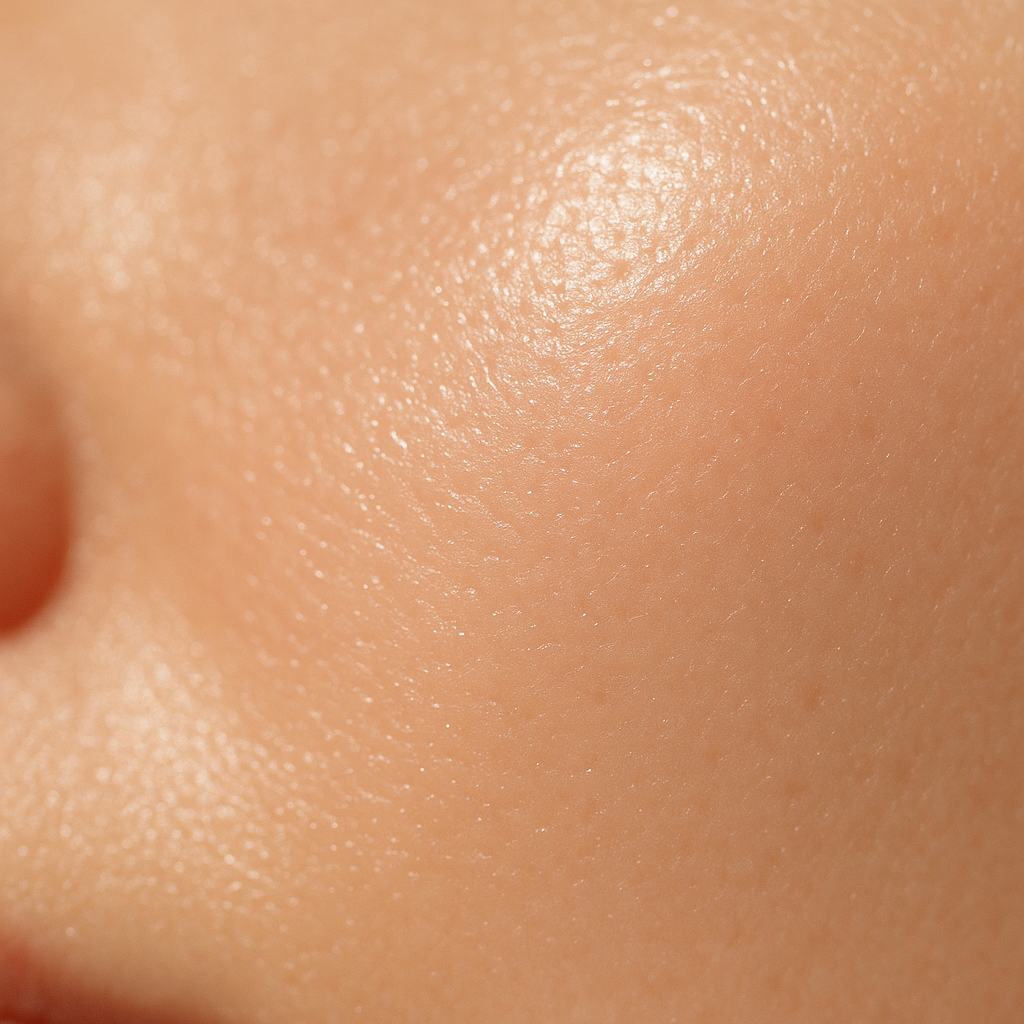
TEWL is one of the key metrics used in dermatological research to assess barrier health. A damaged barrier loses water more rapidly through passive evaporation, which is why compromised skin often feels tight and dry even after applying moisturiser — the moisture simply isn’t being retained effectively.
How Does the Skin Barrier Become Damaged?
Barrier damage rarely happens overnight; it accumulates. Common causes include:
- Over-cleansing or using harsh surfactants — Sodium lauryl sulphate (SLS), found in many foaming cleansers, is a well-documented barrier irritant that strips lipids and disrupts the acid mantle.
- Excessive exfoliation — Both physical and chemical exfoliants, when used too frequently, remove the protective stratum corneum faster than it can regenerate.
- Environmental factors — Cold weather, low humidity, wind, and central heating all accelerate TEWL and dehydrate the skin.
- UV radiation — Chronic sun exposure degrades ceramide levels and damages DNA in keratinocytes, impairing their ability to form a competent barrier.
- Psychological stress — Cortisol, the primary stress hormone, has been shown to suppress ceramide synthesis and reduce the skin’s ability to repair itself after damage.
- Certain medications — Retinoids, diuretics, and some acne treatments can transiently compromise barrier function as a side effect.
Signs of a compromised skin barrier include persistent dryness, flaking, redness, increased sensitivity to previously well-tolerated products, stinging or burning sensations, and sudden breakouts. Paradoxically, oily skin can also reflect barrier dysfunction — the skin sometimes overproduces sebum to compensate for a leaky barrier.
The Science of Skin Barrier Repair
Ceramides: The Cornerstone of Repair
Of all the ingredients shown to support barrier repair, ceramides have the most robust evidence base. They make up approximately 50% of the lipid matrix by weight, and their levels decline with age and in inflammatory skin conditions. Topically applied ceramides — particularly when formulated to mimic the natural lamellar structure of the skin — have been shown in clinical studies to reduce TEWL and improve barrier integrity.
Look for products that contain ceramide NP, ceramide AP, or ceramide EOP, as these are among the most physiologically relevant subtypes. Formulations that combine ceramides with cholesterol and fatty acids in that crucial 1:1:1 ratio are considered particularly effective.
Humectants, Emollients, and Occlusives: A Three-Layer Strategy
Effective barrier repair generally requires addressing moisture at multiple levels. The classic approach involves three categories of ingredients:
- Humectants — These draw water into the skin from the environment or from deeper skin layers. Hyaluronic acid, glycerin, urea (at low concentrations of 5–10%), and panthenol all fall into this category. They help maintain hydration within the stratum corneum.
- Emollients — These fill in the spaces between corneocytes, making skin feel softer and smoother. Fatty acids like linoleic acid and oleic acid, as well as squalane and shea butter, work in this way. They also provide some of the lipid building blocks the skin needs for repair.
- Occlusives — These create a physical film on the skin’s surface that reduces TEWL. Petrolatum is arguably the gold standard occlusive — it reduces water loss by up to 98% according to some estimates — but beeswax, dimethicone, and lanolin also serve this function.
For compromised skin, applying a humectant followed by an emollient-rich moisturiser and a light occlusive layer (particularly at night) tends to produce the best results. This layering approach mirrors what many clinical protocols for eczema management already use. If you have persistently dry or dehydrated skin, pairing this strategy with targeted hydration techniques can make a meaningful difference to how quickly the barrier recovers.
Niacinamide and Barrier Synthesis
Niacinamide (vitamin B3) has attracted considerable scientific attention for its ability to stimulate ceramide synthesis within the skin. Studies have found that regular topical application of 2–5% niacinamide can meaningfully increase ceramide and fatty acid levels, reduce TEWL, and improve overall barrier function over several weeks. It also has anti-inflammatory properties that help calm the irritation associated with barrier damage — making it a genuinely versatile ingredient for barrier-focused skincare.
Peptides and Growth Factors in Advanced Repair
More recent research has explored the role of signal peptides in accelerating barrier repair. Certain peptides, such as palmitoyl pentapeptide-4, have been shown to stimulate collagen synthesis and support the structural proteins involved in maintaining epidermal cohesion. While the evidence is less mature than that for ceramides or niacinamide, the direction of research is promising — particularly for ageing skin, which faces the compounded challenge of declining ceramide production and reduced cellular turnover.
Lifestyle Factors That Influence Barrier Health
Topical skincare only accounts for part of barrier health. Several systemic factors have a documented impact:
- Diet — Essential fatty acids, particularly omega-3s (found in oily fish, flaxseed, and walnuts) and omega-6s (linoleic acid in particular), are integral to skin lipid synthesis. Deficiency in these nutrients has been linked to barrier dysfunction in multiple studies.
- Hydration — While drinking water doesn’t directly hydrate the stratum corneum (which relies on topical moisture retention), chronic dehydration can impair skin cell function over time.
- Sleep — Skin repair processes, including lipid synthesis and cell turnover, are significantly upregulated during sleep. Poor sleep quality has measurable negative effects on TEWL and skin appearance.
- Stress management — Given the documented link between cortisol and ceramide suppression, practices that reduce chronic psychological stress — whether exercise, meditation, or adequate social connection — have genuine relevance to skin health.
Building a Barrier-Supportive Skincare Routine
Translating the science into a practical routine doesn’t need to be complicated. A few guiding principles tend to make the most difference:
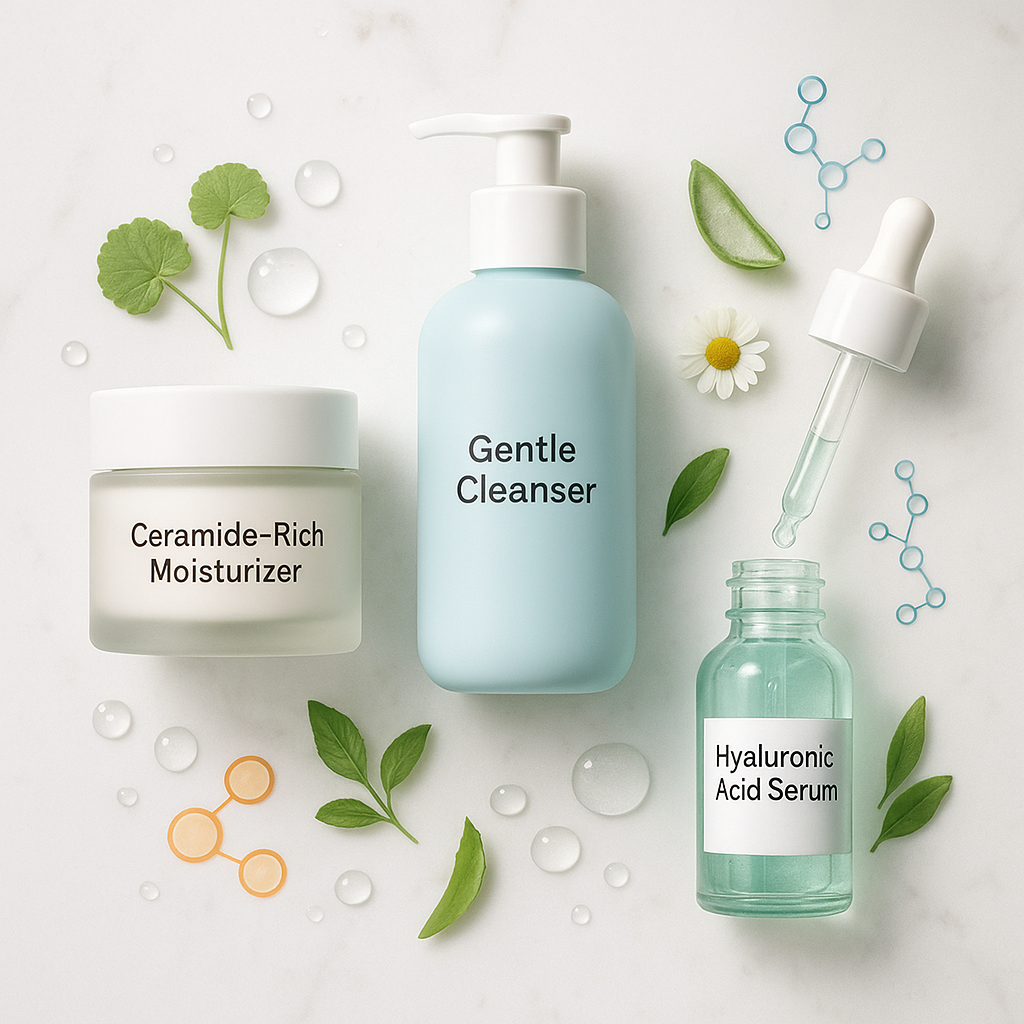
- Choose a gentle, pH-balanced cleanser — ideally with a pH between 4.5 and 6.5 — and avoid foaming formulas with SLS if your skin is sensitive.
- Limit exfoliation to once or twice a week at most, and allow the barrier to recover before adding active ingredients like retinoids or high-concentration acids.
- Prioritise ceramide-containing moisturisers, especially if you have dry or sensitive skin. Apply whilst skin is still slightly damp to lock in moisture.
- Incorporate niacinamide into your routine — its safety profile is excellent and the evidence for barrier support is well-established.
- Use broad-spectrum SPF every day without exception. UV-induced ceramide degradation is cumulative and one of the most preventable forms of barrier damage — protecting your skin from the sun is one of the simplest steps you can take to preserve long-term barrier health.
Conclusion
The skin barrier is a genuinely sophisticated biological system — far more than a passive surface. It depends on a precise lipid architecture, an acidic pH environment, adequate natural moisturising factors, and a healthy microbiome, all working in concert. When any of these elements are disrupted, the effects ripple outward in predictable ways: dryness, sensitivity, inflammation, and impaired repair.
The science of barrier repair points clearly towards a few key strategies: restoring lipids (especially ceramides in the right ratios), maintaining hydration through a layered humectant-emollient-occlusive approach, supporting ceramide synthesis with ingredients like niacinamide, and removing the external stressors — harsh cleansers, excessive exfoliation, unprotected UV exposure — that cause damage in the first place. Addressing systemic factors like diet, sleep, and stress adds another meaningful layer of support.
Ultimately, understanding the biology helps cut through the noise of beauty marketing. Not every “barrier repair” product lives up to its label, but those formulated with evidence-backed ingredients in effective concentrations can make a real, measurable difference to how skin looks and functions over time.