Dullness and dryness are common skin concerns that can make the complexion appear tired and lacklustre. Addressing these issues often requires selecting ingredients that restore hydration and promote a healthy glow.
Hyaluronic acid, glycerin, and niacinamide are among the best ingredients to fight dullness and dryness due to their ability to hydrate, strengthen the skin barrier, and improve overall texture. These ingredients work by attracting moisture, locking it in, and supporting the skin’s natural repair processes.
Many products combine these key ingredients to deliver lasting moisture and enhance radiance. Understanding their benefits can help in choosing the right skincare for revitalised, smoother skin.
Understanding Dullness and Dryness in Skin
Dullness and dryness reduce the skin’s natural vibrancy and smoothness. They often arise from a mix of internal and external factors, all impacting skin hydration and barrier function.
Common Causes of Dull and Dry Skin
Dull skin results from a lack of cell turnover, causing dead skin cells to build up on the surface. This creates a tired, uneven complexion. Dry skin occurs when the skin’s natural oils are insufficient, leading to tightness and flakiness.
Factors like age, genetics, and nutrition influence both conditions. A poor diet lacking in essential fatty acids or antioxidants can worsen dryness and dullness. Over-washing or harsh skincare products strip oils, weakening the skin barrier and increasing dryness.
Differences Between Dehydrated and Dry Skin
Dry skin refers to the skin’s lack of natural oils, causing persistent dryness. It is a skin type that usually requires moisturising oils and barrier repair.
Dehydrated skin lacks water but may produce enough oil. It can feel tight or flaky temporarily and often requires hydration through humectants. Dehydrated skin can occur in any skin type and is often linked to lifestyle or environmental conditions.
How Environmental Factors Contribute to Skin Issues
Exposure to cold weather, low humidity, and wind depletes the skin’s moisture. UV radiation damages skin cells, accelerating dullness by reducing cell renewal.
Pollution introduces free radicals that cause oxidative stress, impairing skin hydration and elasticity. Indoor heating and air conditioning also lower humidity levels, increasing skin dryness. Protection through moisturisers and barrier-strengthening ingredients is essential.
Key Ingredients to Combat Dullness
Several ingredients target the root causes of dull, lacklustre skin by improving texture, tone, and clarity. These components help stimulate cell turnover, reduce dark spots, and protect against environmental damage.
Vitamin C for Brightening and Radiance
Vitamin C is a powerful antioxidant that neutralises free radicals and protects skin from pollution and UV damage. It inhibits melanin production, reducing dark spots and promoting a more even skin tone.
Its skin-brightening effect enhances radiance by boosting collagen synthesis, which also smooths fine lines over time. Vitamin C serums are typically water-based and work best when applied in the morning before sunscreen.
Consistent use improves skin clarity and glow, making it a staple for those looking to combat dullness effectively.
Glycolic Acid and AHAs for Exfoliation
Glycolic acid, a type of alpha-hydroxy acid (AHA), works by dissolving dead skin cells on the surface. This exfoliation unclogs pores and smooths skin texture, revealing fresher, more radiant skin underneath.
Regular use encourages faster cell turnover, which can lighten dark spots and improve overall tone. Glycolic acid also stimulates collagen production, supporting the reduction of fine lines.
Products containing AHAs should be used with care, starting slowly and always paired with sunscreen to protect sensitive, newly exposed skin layers.
Niacinamide for Even Tone and Barrier Support
Niacinamide, also known as vitamin B3, enhances the skin’s barrier function while reducing inflammation and redness. It balances oil production and improves the appearance of enlarged pores.
Niacinamide also regulates pigment transfer within the skin, helping to fade dark spots and even out tone. Its anti-inflammatory properties further soothe dull, irritated skin.
This ingredient is compatible with most skin types and can be layered easily with other actives such as vitamin C or AHAs for improved results.
Essential Ingredients for Intensive Hydration
Intensive hydration relies on ingredients that bind water, repair the skin barrier, and soothe irritation. Selecting the right combination addresses dryness effectively and supports sensitive or eczema-prone skin.
Hyaluronic Acid for Deep Moisture
Hyaluronic acid is a powerful humectant known for holding up to 1,000 times its weight in water. It penetrates different skin layers, providing deep hydration without feeling heavy or sticky.
This ingredient enhances skin elasticity and plumpness by attracting moisture from the environment. It suits all skin types, including sensitive and eczema-prone skin, because it supports hydration without irritation.
Regular use improves skin texture, preventing dullness caused by dehydration. Formulations often combine hyaluronic acid with other moisturisers to retain moisture longer.
Glycerin and Natural Moisturisers
Glycerin is another effective humectant that draws water into the skin’s outer layer. It softens dry skin by maintaining moisture balance and restoring suppleness.
Natural moisturisers such as plant oils and butters complement glycerin by sealing in hydration. These ingredients reinforce the skin’s protection against environmental damage and water loss.
Together, glycerin and natural moisturisers create a barrier that prevents dryness while maintaining breathability. They are commonly included in products for sensitive skin due to their gentle, non-comedogenic properties.
Ceramides and Shea Butter to Restore the Skin Barrier
Ceramides are lipids naturally found in the skin that help build and maintain the protective barrier. When this barrier is compromised, the skin loses moisture and becomes vulnerable to irritants.
Shea butter supports ceramide function by providing rich, emollient hydration. It nourishes dry, flaky, or eczema-prone skin and improves elasticity.
Products combining ceramides and shea butter strengthen the skin’s lipid layer. This pairing reduces transepidermal water loss and promotes resilience against dryness and environmental stressors.
Aloe Vera and Green Tea for Soothing Hydration
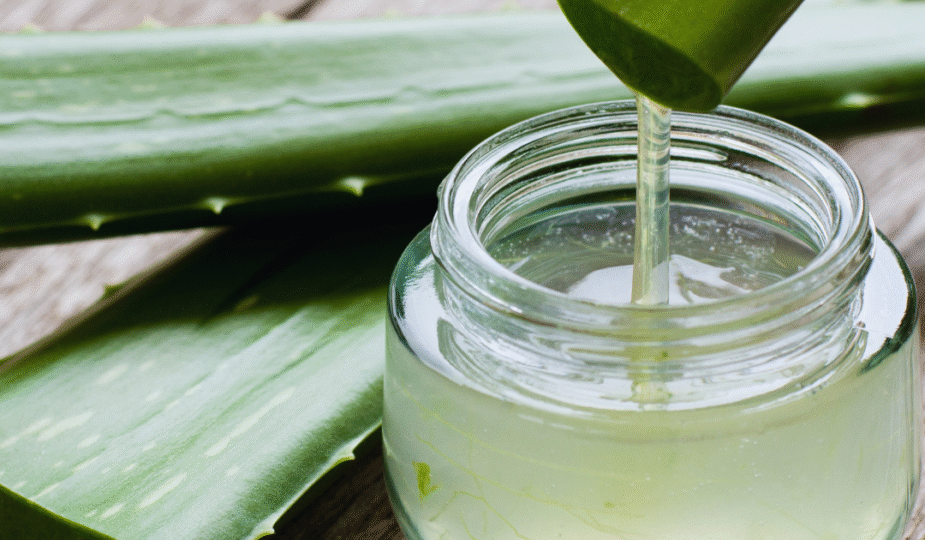
Aloe vera offers hydration with anti-inflammatory properties beneficial for sensitive or irritated skin. It cools and calms dry patches while enhancing moisture retention.
Green tea contains antioxidants and polyphenols that reduce redness and protect against oxidative stress. Its hydrating effect supports skin recovery from dryness.
Together, aloe vera and green tea provide soothing hydration that relieves discomfort associated with dryness and eczema. They are often included in gentle formulations for sensitive skin care.
Supporting Ingredients and Best Practices for Healthier Skin
Addressing dullness and dryness requires targeted ingredients to renew skin texture, improve hydration, and protect against damage. Using these ingredients correctly and selecting appropriate skincare products can greatly enhance skin health.
Lactic Acid for Gentle Exfoliation
Lactic acid is an alpha-hydroxy acid (AHA) that gently removes dead skin cells without causing irritation. It promotes cell turnover, revealing fresher skin beneath and improving texture over time. It is particularly useful for those with dry or sensitive skin who need exfoliation without redness or dryness.
Regular use of lactic acid helps smooth fine lines by encouraging collagen production. Unlike harsher exfoliants, it hydrates while exfoliating. Lactic acid is typically found in serums or mild chemical peels and should be introduced slowly to avoid sensitivity. Applying moisturiser after use supports barrier repair.
Retinol and Vitamin B3 for Cellular Renewal
Retinol, a form of vitamin A, accelerates cellular renewal and stimulates collagen, reducing dullness and fine lines. It improves skin texture but can cause dryness or irritation if overused. Gradual introduction and lower concentrations are ideal, especially for sensitive or dry skin types.
Vitamin B3 (niacinamide) enhances the skin’s barrier and reduces redness and inflammation. It also improves hydration and can regulate oil production, making it suitable for both dry and oily skin. Together, retinol and vitamin B3 complement each other, promoting smoother, more resilient skin when applied consistently.
Sunscreen and Antioxidants Against Environmental Stress
Daily application of broad-spectrum sunscreen is essential to protect skin from UV-induced dryness and dullness. Sun damage accelerates fine lines and depletes essential vitamins in the skin. Sunscreen should be applied every morning as the final step in skincare.
Antioxidants, such as vitamins C and E, neutralise free radicals caused by pollution and sun exposure. They help maintain skin’s natural glow and reduce oxidative stress. Antioxidants are often found in serums and moisturisers and work best when layered under sunscreen to enhance protection.
Choosing the Right Skincare Products for Different Skin Types
Selecting skincare products tailored to skin type ensures better results without irritation. Dry skin benefits from hydrating ingredients like hyaluronic acid and ceramides, which lock in moisture and strengthen the skin barrier.
Oily skin types should look for lightweight, non-comedogenic products that balance oil without stripping hydration. Ingredients such as salicylic acid address clogged pores without causing excessive dryness. For combination skin, a mix of moisturising and mattifying products can target specific areas.
For sensitive skin prone to redness, fragrance-free, soothing ingredients like allantoin and chamomile are recommended. Patch testing new products minimises adverse reactions. Skincare routines combining exfoliation, renewal, hydration, and protection work best when customised to individual needs.