
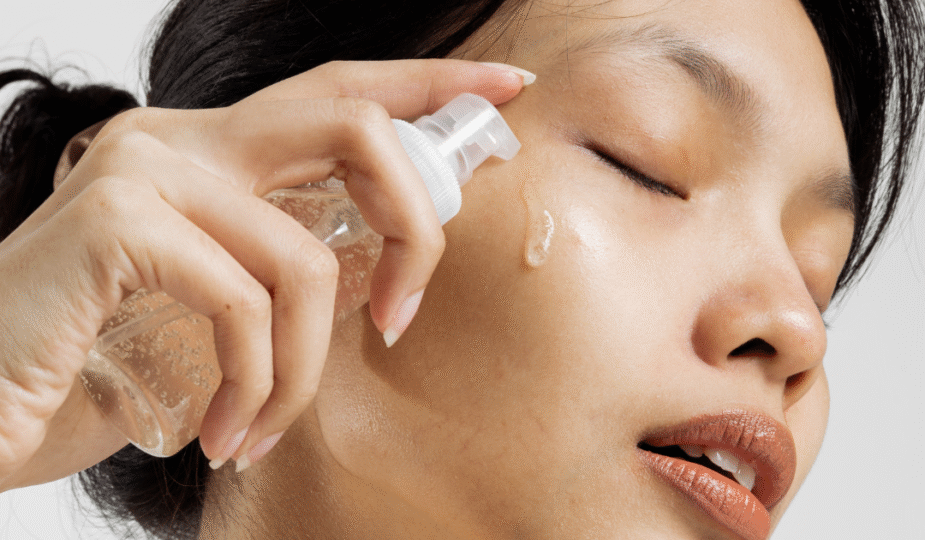
Sensitive skin often becomes more prone to dryness, irritation, and redness during colder months. The key to caring for sensitive skin in this season is to maintain hydration while protecting the skin barrier from harsh environmental factors.
Using gentle, fragrance-free moisturisers and avoiding hot water can significantly reduce discomfort. Adjusting skincare routines to include products that soothe and shield the skin helps minimise flare-ups and maintain comfort.
Understanding how temperature changes affect sensitive skin allows for better choices in products and habits. This ensures skin stays calm, balanced, and protected even in winter’s chill.
Key Principles for Sensitive Skin Care in Colder Months
Sensitive skin requires care that balances protection and soothing, especially when cold weather can worsen irritation. Recognising how it differs from dry skin, identifying winter triggers, and understanding the skin barrier are essential for effective management.
Understanding Sensitive Skin Versus Dry Skin
Sensitive skin often reacts with redness, itching, or burning, while dry skin primarily suffers from a lack of moisture and flakiness. They can overlap, but dryness does not always cause sensitivity.
Dry skin results from reduced water content in the outer layer, making it rough or cracked. Sensitive skin reacts more to environmental factors, products, or temperature changes.
Treatments differ: dry skin needs moisturisers with humectants, while sensitive skin requires products free from irritants like fragrances or alcohol. Knowing the distinction helps avoid wrongful product use that could worsen redness or discomfort.
Common Triggers During Winter
Winter conditions, such as cold air, low humidity, and indoor heating, strip moisture from the skin. These factors increase the risk of dryness and flare-ups in sensitive skin.
Hot showers and over-cleansing weaken the skin’s natural oils, worsening sensitivity and redness. Harsh soaps and alcohol-based products can further disrupt the skin barrier.
Exposure to wool or synthetic fabrics can also irritate sensitive skin. Layering clothing with soft fabrics like cotton helps reduce contact irritation during cold months.
Importance of the Skin Barrier
The skin barrier protects against irritants and retains moisture. In winter, this barrier becomes fragile due to environmental stress and improper care.
A weakened skin barrier leads to increased sensitivity, redness, and dryness. Maintaining it with gentle cleansers and rich, barrier-repair moisturisers is critical.
Look for ingredients like ceramides and fatty acids that restore the barrier. Avoid harsh exfoliants or strong acids that can erode this natural defence, especially during winter skincare routines.
Step-by-Step Winter Skincare Routine for Sensitive Skin
Maintaining hydration and protecting the skin barrier are essential during cold months. Careful selection of gentle products, layering hydrating ingredients, and sealing moisture correctly support sensitive skin effectively.
Selecting the Right Cleanser
A gentle, non-foaming cleanser formulated without fragrances or harsh detergents is essential. Ingredients like glycerin and ceramides help cleanse while maintaining the skin’s natural moisture barrier.
Avoid products with sulphates or alcohols that can strip natural oils, increasing irritation. Cream or balm cleansers often work well for sensitive skin as they provide hydration during cleansing.
Users with oily or combination skin should look for lightweight, hydrating formulas that balance oil control without drying effects.
Layering Hydrating Serums and Moisturisers
Hydrating serums with hyaluronic acid or niacinamide help attract and retain moisture. Applying these under the moisturiser increases skin hydration and calms irritation.
Moisturisers rich in shea butter, squalane, and fatty acids support lipid repair and protect against dryness. Thicker creams are suitable for colder weather, but should be balanced with lighter textures if skin is prone to oiliness.
Layering helps lock in hydration but avoid heavy application to prevent clogged pores, especially for combination or oily skin types.
Effective Use of Occlusives and Slugging
Occlusives seal moisture to prevent transepidermal water loss. Ingredients like petrolatum or natural oils can be used as a final step at night.
Slugging, the practice of applying an occlusive over moisturiser, enhances barrier repair overnight. It is especially beneficial in harsh weather, but should be avoided if prone to breakouts.
For daytime, lighter occlusives or moisturisers with occlusive components provide protection without heaviness, essential for sensitive, oily, or combination skin.
Adjusting Products for Skin Type
Sensitive skin varies: oily, combination, or dry skin requires different approaches. Dry sensitive skin benefits from rich moisturisers high in ceramides and fatty acids.
Oily sensitive skin needs non-comedogenic, lightweight hydrators and careful use of occlusives to avoid breakouts. Combination skin should focus on hydrating drier areas while avoiding excess products in oilier zones.
Products with niacinamide provide versatility by soothing redness and balancing oiliness, making it suitable for multiple sensitive skin types.
Preventative Strategies and Lifestyle Adjustments
Adjusting daily routines and the environment can significantly reduce sensitivity and irritation during colder months. Simple changes help maintain the skin barrier, reduce redness, and ease conditions like eczema.
Limiting Hot Showers and Bathing Habits
Hot water strips natural oils that protect the skin, causing dryness and irritation. They should avoid showers or baths lasting longer than 10 minutes, and keep the water temperature warm, not hot.
Using a gentle, fragrance-free cleanser supports the skin barrier without aggravating sensitive areas. After washing, it is important to pat skin dry softly rather than rubbing. Applying a thick moisturiser immediately after drying locks in hydration.
Gentle exfoliation once a week can remove dead skin cells without damaging the surface. Harsh scrubs or frequent bathing increase redness and worsen eczema, especially in sensitive skin.
Using a Humidifier for Indoor Hydration
Indoor heating reduces humidity, which dries out the skin and weakens its barrier. A humidifier adds moisture to the air, helping prevent flaking and redness linked to dry environments.
Placing a humidifier in frequently used rooms at 40-60% humidity supports skin hydration. Regular cleaning of the humidifier prevents mould and bacteria build-up that could worsen eczema.
Using a cool mist or ultrasonic humidifier is preferable as heated vapour can irritate sensitive skin. This device is particularly helpful overnight, when skin can dry out further.
Protecting Skin Outdoors and with Appropriate Clothing
Cold wind, low temperatures, and dry air can all damage sensitive skin, causing flare-ups. Wearing scarves, gloves, and hats protects exposed areas from harsh weather.
Opting for clothing made from natural fibres like cotton or silk reduces friction and irritation. Avoid wool directly on the skin, as it can trigger redness and eczema.
Applying a layer of barrier cream before sun exposure or going outdoors can shield skin from wind and pollutants. Regular reapplication during extended exposure supports ongoing protection.
Professional Treatments and Addressing Skin Issues
Professional care can support sensitive skin during colder months, especially when specific concerns arise. Tailored advice, careful exfoliation, and light therapies offer targeted relief and improvements without aggravating irritation.
When to Seek a Dermatologist’s Advice
A dermatologist should be consulted if skin conditions such as eczema worsen or if persistent dryness, redness, or itching continue despite home care. Those with acne-prone skin experiencing flare-ups also benefit from expert evaluation to avoid inflammation mismanagement.
Dermatologists can prescribe treatments that respect sensitive skin’s fragility, including medicated creams or ointments, and recommend adjustments to daily routines. Early professional intervention prevents escalation and potential scarring.
They may also identify underlying causes, such as allergies or infections, that mimic common winter skin problems. Timely diagnosis is crucial for safe and effective treatment during cold weather.
Gentle Exfoliation and Chemical Treatments
Exfoliation should be carefully moderated for sensitive skin in the cold season. Using chemical exfoliants like AHAs (alpha hydroxy acids) in low concentrations can help remove dead skin gently without physical abrasion.
Routine exfoliation can improve skin texture and encourage cell turnover, but frequency should be limited. Over-exfoliation risks disrupting the skin barrier, increasing sensitivity and dryness.
For acne-prone skin, mild chemical exfoliants reduce clogged pores but must be used under guidance, especially in winter. Combining exfoliation with moisturisation helps maintain hydration balance.
Red Light and LED Light Therapy in Winter
LED light therapy uses specific wavelengths to stimulate skin repair and address inflammation safely. Red light therapy, in particular, promotes collagen production, improving skin resilience affected by cold weather.
This treatment is non-invasive and well-tolerated by sensitive skin types. It can help reduce redness and soothe irritated areas, making it an option alongside basic skincare.
Sessions are typically brief and can be integrated into professional skin treatments to complement moisturising and barrier repair strategies during harsher months.